Order fulfillment that protects your margin
Same-day pick, pack and ship from six miles south of San Diego — 99.7% accuracy, 1–3 day U.S. delivery, up to 30% lower cost per order, and no minimum order volume.
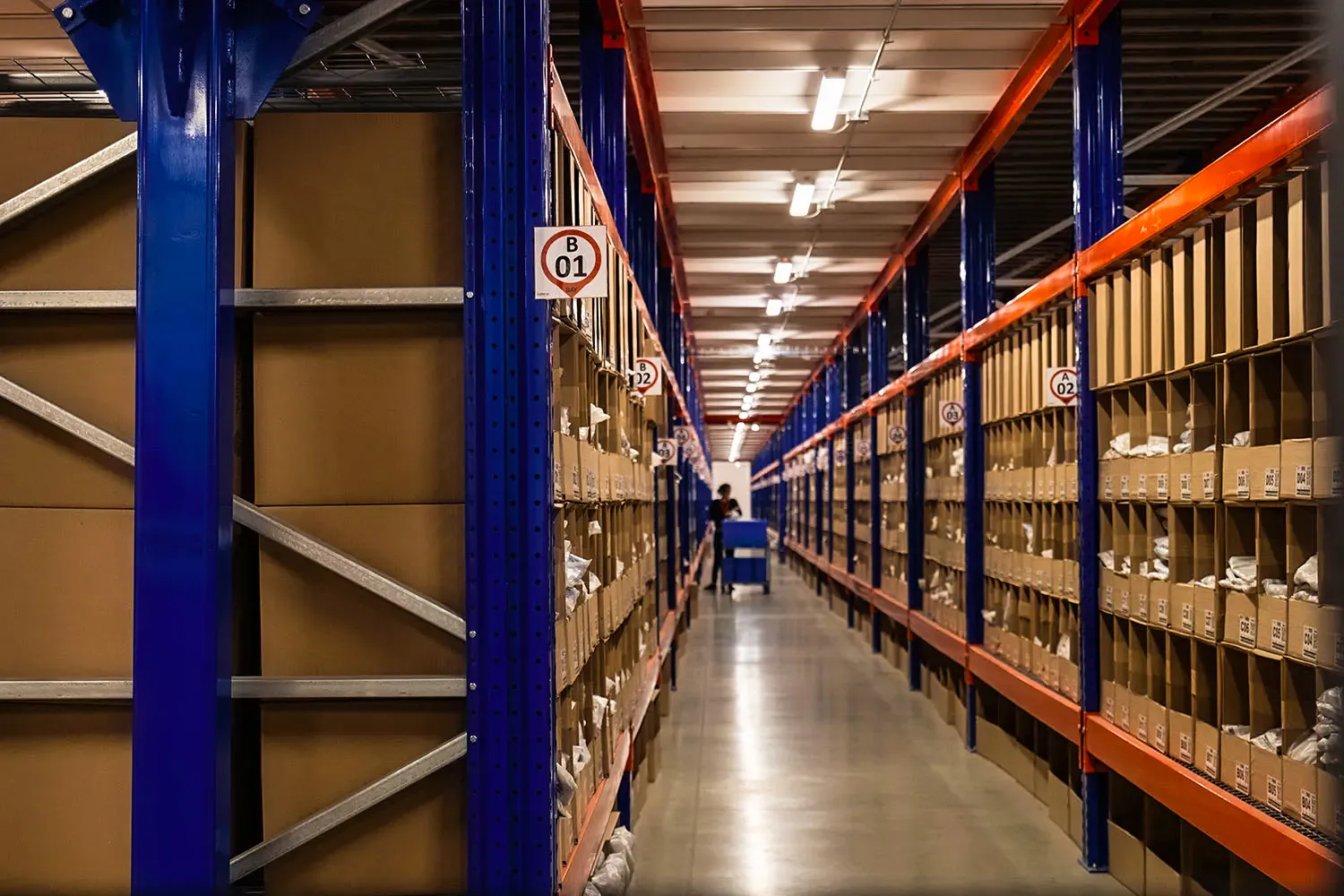
Where does your fulfillment cost per order actually go?
Cost per order is built from four levers: pick-and-pack labor, storage, parcel shipping and duty timing. Lateral Fulfillment moves all four at once — Tijuana labor rates, storage billed by use, San Diego carrier injection that removes shipping zones, and duties paid as product sells. Together they reach up to 30% below a comparable U.S. operation.
Labor
Picking, packing and kitting are labor. The same trained work costs less in Tijuana than in Southern California — with the leadership team six miles away, not offshore.
Shipping zones
The biggest parcel lever. Injecting at San Diego removes the zones an East Coast warehouse crosses to reach western customers — lower cost and faster transit.
Storage
Billed by the footprint you actually use, by pallet or bin. No fixed space commitment, no peak-season surge pricing on storage.
Duty timing
Pay duties when your product sells — not when inventory arrives. Working capital stays in the business instead of sitting at the border.
Which fulfillment model fits your brand?
Most DTC brands choose between fulfilling in-house, Amazon FBA or a third-party provider. Each model trades cost, control and reach differently — and nearshore changes the math on all three. This is how they compare on what actually drives the decision.
| Criterion | Amazon FBA | Traditional U.S. 3PL | Lateral Fulfillment |
|---|---|---|---|
| Cost per order | Fees + Q4 storage surges | Market rate | Up to 30% lower |
| Your branding | Amazon packaging | Varies by provider | Your custom packaging |
| Channels served | Amazon-first | Multichannel | Every channel, one pool |
| Delivery speed | 1–2 days Prime | 2–5 days | 1–3 days |
| Storage model | Fees rise at peak | Fixed commitments common | Billed by use |
| Who answers | Seller dashboard | Rotating team | Named contact, day one |
How does nearshore fulfillment work day to day?
Orders sync from your store in real time. Everything after that happens in one building, under one warehouse management system, with live inventory pushed back to your platform.
- 01Receive
Inventory arrives, is counted, verified and put away within 24 hours.
- 02Fulfill
Pick, pack and custom packaging the same business day, before cutoff.
- 03Cross
Daily linehaul to Otay Mesa, six miles north.
- 04Deliver
Injected into U.S. carrier networks at San Diego. 1–3 days nationwide.
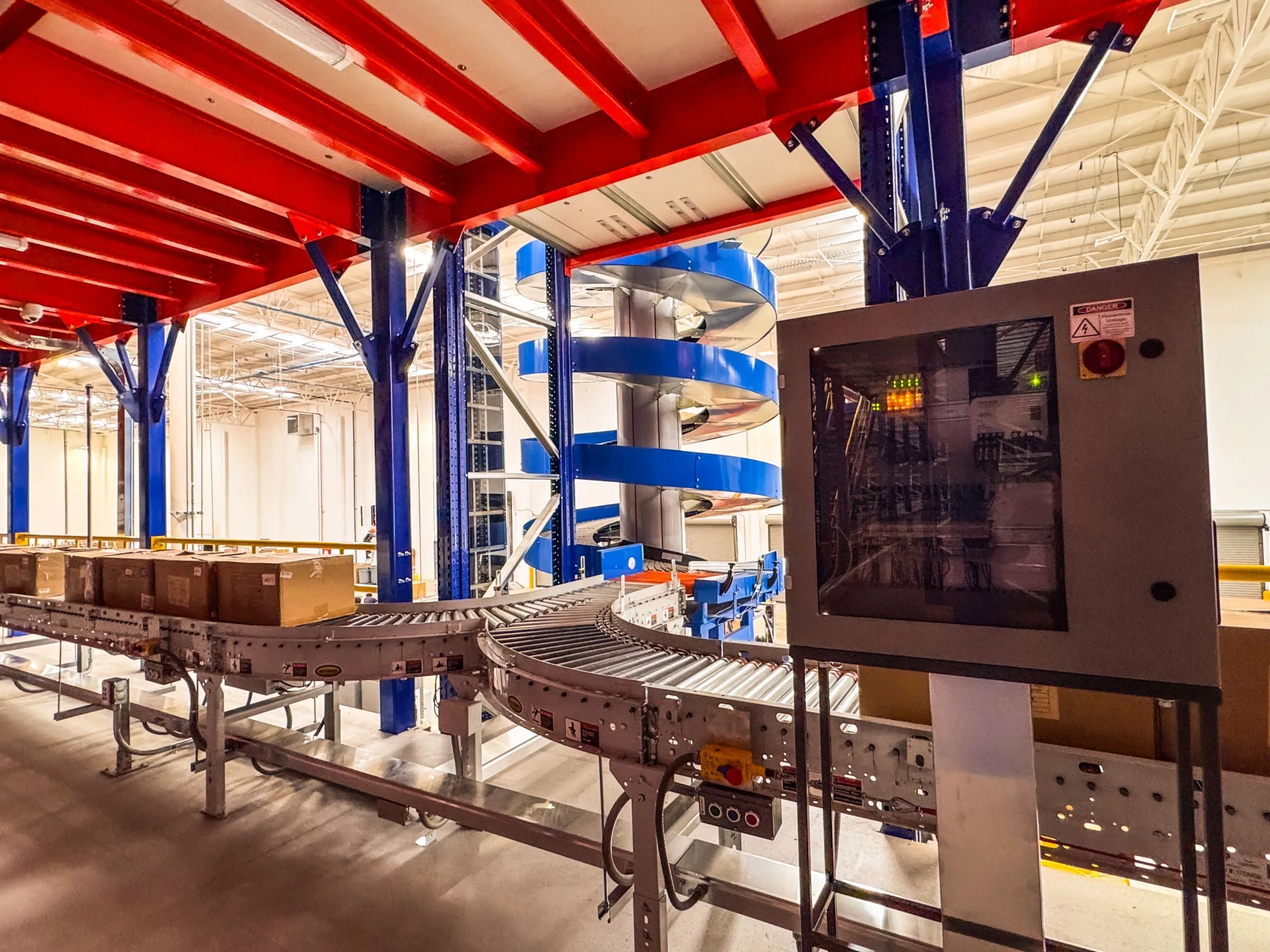
Every order, end to end
Pick & pack
Same-day processing on orders received before cutoff.
Kitting & bundles
Multi-SKU sets assembled and stocked as single units.
Custom packaging
Branded inserts, boxes and unboxing sequences.
Returns
Inspection, restocking and disposition within 48 hours.
Real-time inventory
Live stock counts pushed back to your store.
One named contact
The same person from your first order — no volume threshold.
Which platforms connect to Lateral Fulfillment?
Shopify, Shopify Plus, WooCommerce and Amazon connect directly, with orders flowing to the warehouse in real time and tracking plus inventory syncing back automatically. Other platforms and ERP systems integrate through API or scheduled file exchange. Most integrations are live within two weeks of kickoff.
Shopify & Plus
Real-time order sync, tracking pushback and live inventory counts on the store.
WooCommerce
Direct connection with automatic order flow and stock updates.
Amazon
Direct integration for marketplace orders fulfilled from the same pool.
API & ERP
Custom platforms and ERPs via API or scheduled flat-file exchange.
Fulfillment isn't a cost center. It's where your margin is decided.
Is Lateral Fulfillment the right fit for your brand?
Not every brand belongs in the corridor, and finding out early costs everyone less. This is where the model shines — and where it honestly doesn't. When in doubt, the free cost analysis answers it with your own order data.
✓A strong fit
- DTC and marketplace brands — from the first order, no minimum volume
- Products that need custom packaging, kitting or subscription assembly
- Brands with heavy West and Southwest customer bases
- Brands squeezed by coastal U.S. warehouse and labor costs
- Catalogs where returns processing economics matter
—Not the right fit
- Refrigerated or frozen products — storage is ambient only
- Brands that need guaranteed next-day delivery nationwide
- Amazon-only sellers fully served inside FBA
- Programs needing a footprint outside the San Diego–Tijuana corridor
Frequently asked questions
What do Lateral Fulfillment's order fulfillment services cover?
Same-day pick, pack and ship on orders received before cutoff, with full capabilities for kitting, custom packaging, inserts and returns processing. Orders sync from the store in real time, inventory is tracked at 99.9% accuracy, and parcels reach most U.S. addresses in one to three days.
Is Lateral Fulfillment a good fit for a brand shipping under 500 orders a day?
Yes. That volume range is the core of Lateral Fulfillment's DTC practice. Brands below 500 orders per day get dedicated account support without the minimums that larger providers typically require, and there is no long-term lock-in on the contract.
How fast are orders processed and delivered?
Orders received before cutoff are picked, packed and shipped the same business day. Parcels cross to San Diego on daily linehaul and inject into U.S. carrier networks, reaching most U.S. addresses in one to three days — the western United States typically in one to two.
How does nearshore fulfillment compare to Amazon FBA?
FBA is built around the Amazon marketplace: inventory lives in Amazon's network, parcels ship in Amazon packaging, and storage fees surge in Q4. Lateral Fulfillment ships every channel from one inventory pool, in the brand's own packaging, with storage billed by the footprint used.
How does Shopify integration work?
Shopify and Shopify Plus connect directly: orders flow to the warehouse in real time, and tracking numbers plus live inventory counts sync back to the store automatically. WooCommerce and Amazon also connect directly; other platforms and ERPs integrate through API or scheduled file exchange, typically live within two weeks.
Can Lateral Fulfillment handle custom packaging and inserts?
Yes. Branded boxes, tissue, inserts, samples and unboxing sequences are assembled on the fulfillment line as part of the standard workflow. Kitting and multi-SKU bundles are built and stocked as single units so they pick at full speed.
What happens to returns?
Returns arrive at the same facility, are inspected and graded, and are restocked, refurbished, repackaged or dispositioned within 48 hours of arrival under rules the brand sets. Restocked units count back into sellable inventory automatically.
Do customers know their order shipped from Mexico?
No. Parcels inject into U.S. carrier networks at San Diego and carry standard domestic tracking, so the customer experience matches a U.S.-based operation — while the brand pays Tijuana operating costs. Duties on goods are paid as product sells, not when inventory arrives.
How is pricing structured?
Per order picked and packed, plus storage billed by the footprint used and any value-added work such as kitting or custom packaging. There is no minimum order volume and no long-term lock-in. Every engagement starts with a free cost analysis built on the brand's real order data.
What if order volume spikes during peak season?
The facility carries surge capacity and a trained flexible workforce for peak periods. Brands share a volume forecast ahead of the season and capacity is reserved in advance, so throughput holds through Q4 and promotional spikes without emergency surcharges.
Ready to see your numbers?
No minimum order volume. No long-term lock-in. If we're not the right fit, we'll say so on the first call.
We reply within one business day.