E-commerce is booming, and with it comes the need for efficient logistics. Fulfillment centers are at the heart of this transformation. They handle the storage, packing, and shipping of products.
These centers are crucial for online retailers aiming to streamline operations. They offer a range of fulfillment services that can ease the burden on businesses.
Order fulfillment is more than just shipping; it’s about delivering a seamless customer experience. Efficient ecommerce fulfillment can lead to faster deliveries and happier customers.
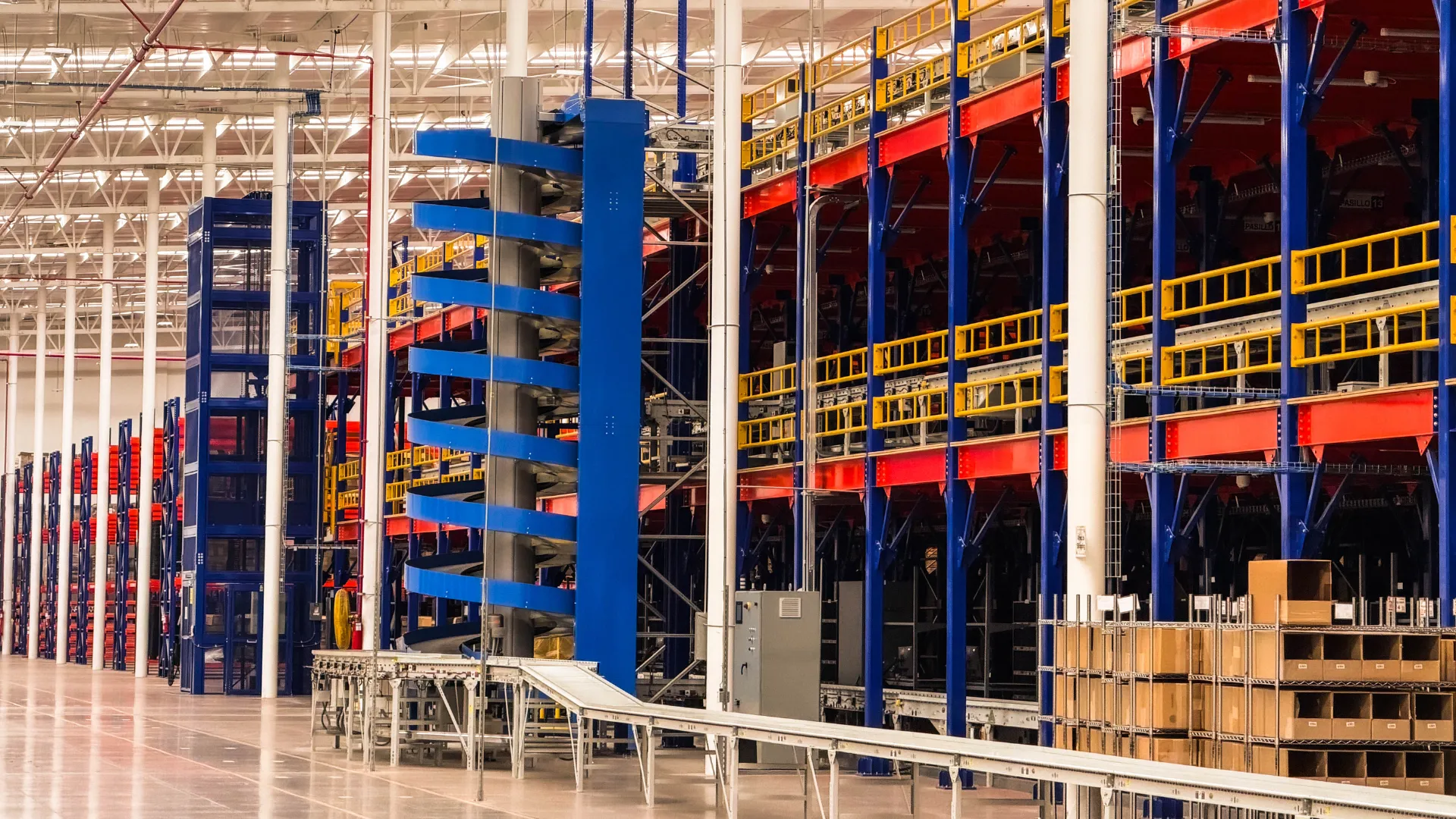
Fulfillment centers use advanced technology to optimize processes. This helps reduce errors and improve efficiency.
Understanding the role of fulfillment centers can give businesses a competitive edge. Let’s explore how they can enhance your e-commerce logistics.
What Are Fulfillment Centers?
Fulfillment centers are specialized facilities designed to manage e-commerce logistics. They act as hubs for receiving, storing, and shipping products. Their primary goal is to ensure that orders reach customers efficiently.
Unlike traditional warehouses, fulfillment centers focus on speed and accuracy. They process orders rapidly to meet customer expectations. This involves coordination of inventory, packing, and shipping tasks.
Here are key functions of fulfillment centers:
- Receiving and storing inventory
- Picking and packing orders
- Shipping products to customers
- Handling returns efficiently
These centers often integrate advanced systems to enhance operations. Automated processes and technology help streamline workflows. This results in fewer errors and faster order fulfillment. Understanding the role of fulfillment centers can be a game-changer for businesses aiming to optimize logistics. They offer a powerful solution for scaling e-commerce operations without the constraints of traditional logistics.
Fulfillment Centers vs. Warehouses: Key Differences
Fulfillment centers and warehouses both store products, but they serve distinct purposes. Warehouses primarily focus on long-term storage, holding products until needed. Their operations cater to bulk storage without emphasis on speed.
In contrast, fulfillment centers are dynamic and demand-driven. They process orders promptly, emphasizing speed and efficiency. This difference is crucial for e-commerce businesses that require quick turnaround times.
Here are key distinctions between the two:
- Purpose: Short-term processing vs. long-term storage
- Operations: Dynamic order handling vs. static inventory holding
- Technology: Advanced systems vs. basic storage solutions
Fulfillment centers often adopt cutting-edge technology to enhance accuracy and efficiency. This helps them meet the fast-paced demands of online shopping, ensuring customer satisfaction. Understanding these differences aids businesses in selecting the appropriate logistics strategy for their needs.
How Fulfillment Centers Work in E-commerce
Fulfillment centers play a critical role in e-commerce operations. They seamlessly manage the flow of products from suppliers to customers. Their efficiency lies in handling multiple tasks within tight timelines.
At the core, fulfillment centers receive products from manufacturers or suppliers. These products are stored temporarily until orders are made. When a customer places an order, the center quickly processes it, ensuring swift execution.
The key steps in the process include:
- Receiving: Accepting inventory from suppliers.
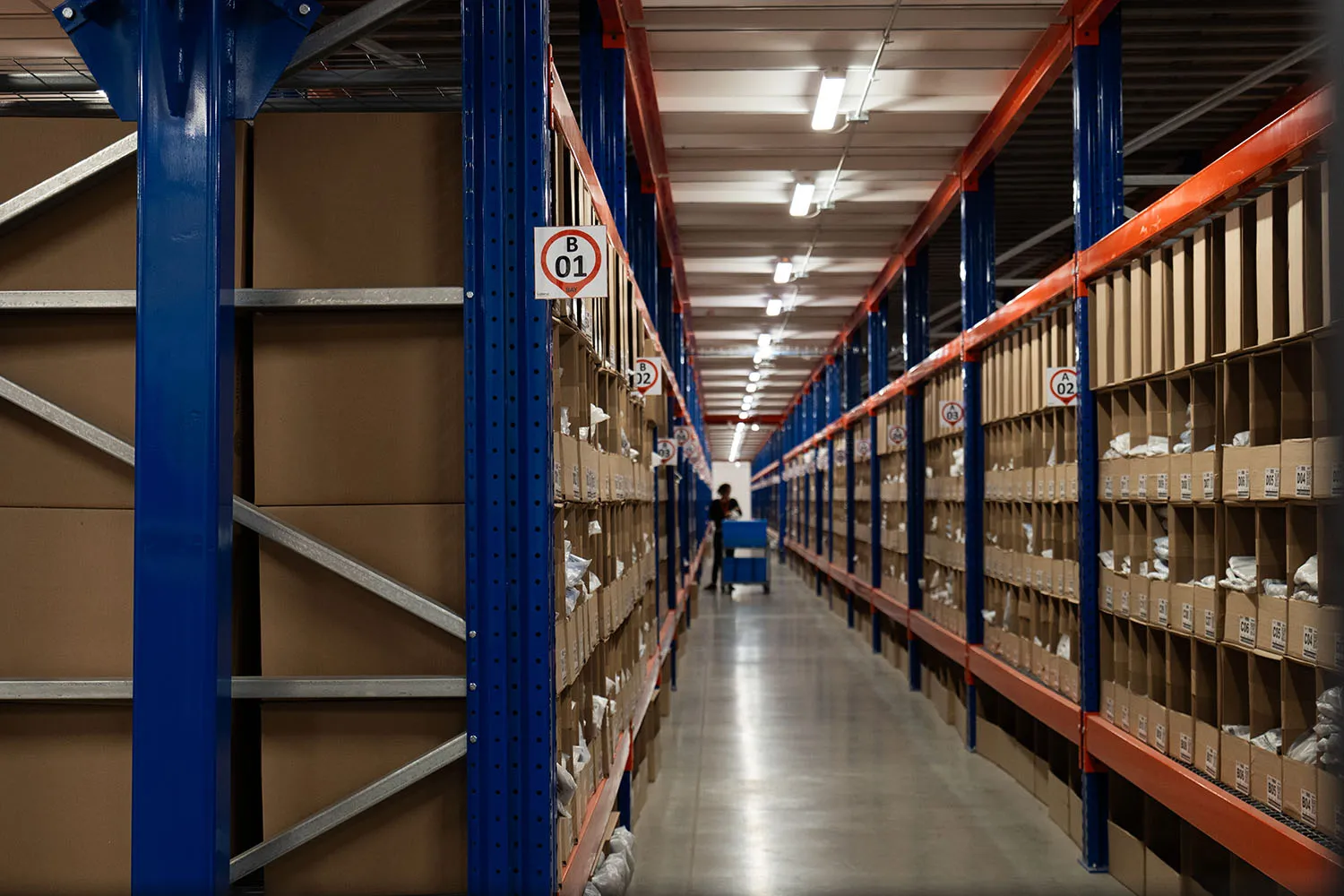
- Storage: Organizing products for quick retrieval.
- Picking: Selecting items for customer orders.
- Packing: Preparing orders for safe shipping.
- Shipping: Dispatching orders to customers.
Fulfillment centers utilize advanced software for inventory and order management. This technology tracks each product’s journey, enhancing accuracy and speed.
Efficient operations in fulfillment centers enable businesses to promise timely deliveries. They support e-commerce growth by maintaining high customer satisfaction levels. Understanding this workflow helps businesses optimize their logistics and streamline their processes.
Core Fulfillment Services Offered
Fulfillment centers provide a range of services tailored to enhance e-commerce logistics. These services streamline processes, allowing businesses to focus on growth and customer satisfaction.
Firstly, fulfillment centers offer comprehensive inventory management. This service ensures products are stored efficiently and are easily trackable. Businesses can monitor stock levels in real-time, avoiding both stockouts and overstocking.
Additionally, these centers provide order processing services. Upon receiving orders, fulfillment centers ensure each is handled with care and precision. Accuracy is crucial to maintaining customer trust and avoiding returns.
Common core services include:
- Picking and packing
- Shipping and delivery
- Returns management
Moreover, some fulfillment centers offer value-added services. These services can include kitting, custom packaging, and assembly. Businesses can personalize their offerings, creating a unique customer experience.
Additional value-added services:
- Custom branding
- Gift wrapping
- Subscription box fulfillment
Utilizing these services helps businesses scale operations without additional infrastructure. Fulfillment centers act as logistics partners, supporting businesses in reaching their operational goals efficiently.
The Order Fulfillment Process Explained
Understanding the order fulfillment process is key to enhancing e-commerce operations. It involves several crucial steps, each integral to timely and accurate delivery.
The process starts with order receipt and processing. Once a customer places an order, the fulfillment center receives the details and prepares to act. This step ensures all information is accurate before proceeding.
Next is picking and packing. Fulfillment staff locate the ordered products in storage and pack them for shipping. This step requires accuracy and efficiency to maintain quality control.
Essential steps in the process include:
- Receiving the order
- Picking the items
- Packing them securely
- Shipping to the customer
Finally, shipping and delivery complete the process. Products are shipped using the best available methods and tracked until they reach their destination. Successful delivery boosts customer satisfaction.
Throughout, each step is optimized for speed and accuracy, ensuring a seamless experience for both the business and the customer.
Benefits of Using Fulfillment Centers for E-commerce
Fulfillment centers offer significant advantages for e-commerce businesses. They simplify logistics, allowing businesses to focus on growth and innovation.
One key benefit is the ability to scale operations quickly. This flexibility is vital for meeting fluctuating market demands without heavy capital investment in infrastructure.
Fulfillment centers also provide cost savings. By consolidating shipments and leveraging economies of scale, businesses can reduce shipping expenses and lower operational costs.
Key advantages include:
- Scalable logistics solutions
- Cost-effective shipping rates
Additionally, fulfillment centers enhance customer satisfaction. Faster delivery times and accurate order processing lead to happier customers and greater loyalty.
Other benefits include:
- Improved inventory management
- Access to advanced technology
These centers often have advanced technology to streamline operations and provide actionable insights. Through data analytics, businesses gain insights into consumer behavior, improving marketing strategies and product offerings.
Ultimately, partnering with a fulfillment center helps businesses remain competitive in the e-commerce sector by offering reliable and efficient logistics solutions. This partnership enables them to enhance their brand and customer experience, fostering long-term success.
Technology and Automation in Fulfillment Centers
Technology is pivotal in modern fulfillment centers. Automation streamlines operations, boosting efficiency and reducing errors. This technological edge makes fulfillment more reliable and faster.
Many fulfillment centers use advanced systems to manage inventory and process orders. Robotics, artificial intelligence, and machine learning are commonly employed. These technologies enhance accuracy in picking and packing, minimizing human intervention.
Key technological features include:
- Automated picking systems
- Real-time inventory tracking
- Predictive analytics for demand forecasting
Real-time data integration allows businesses to track orders closely. This integration leads to timely deliveries and optimized shipping routes. As a result, customer experience is enhanced, contributing to increased satisfaction and loyalty. Technology, therefore, plays a crucial role in transforming fulfillment centers into highly efficient hubs in e-commerce logistics.
Choosing the Right Fulfillment Partner
Selecting the right fulfillment partner is crucial for e-commerce success. This choice impacts shipping times, costs, and customer satisfaction. Businesses must evaluate potential partners carefully to ensure alignment with their needs.
Consider several factors when choosing a fulfillment partner. Evaluate their expertise, technology, and flexibility to handle diverse tasks. Also, assess their ability to scale operations as your business grows.
Key considerations include:
- Geographic location and strategic proximity to customers
- Range of services offered, including value-added options
- Reputation for reliability and quality of service
A well-chosen partner can enhance operational efficiency and provide a competitive edge. The right fulfillment partner allows your business to focus on growth without logistics constraints.
Common Challenges and How to Overcome Them
E-commerce fulfillment is not without its challenges. Businesses often face issues like stockouts, delayed shipments, and fluctuating demand. These obstacles can harm customer satisfaction and profit margins.
To mitigate these challenges, businesses should adopt proactive strategies. Consider the following solutions:
- Implement robust inventory management systems.
- Establish clear communication channels with fulfillment partners.
- Use data analytics to anticipate and respond to demand changes.
By addressing these common challenges effectively, businesses can maintain efficient operations and enhance customer trust. A strategic approach ensures readiness for unexpected disruptions in fulfillment processes.
Future Trends in Ecommerce Fulfillment
The world of ecommerce fulfillment is rapidly evolving. Emerging trends are reshaping logistics strategies, with a focus on speed and efficiency. One significant trend is the integration of artificial intelligence to optimize operations.
Other key trends include:
- Increased use of robotics for warehouse automation
- Expansion of same-day or next-day delivery services
- Greater emphasis on sustainable packaging solutions
These innovations promise to enhance fulfillment efficiency and reduce costs. Ecommerce businesses should adapt to these trends to remain competitive. Staying ahead requires continual investment in new technologies and processes. This ensures businesses can meet rising consumer expectations.
Conclusion: Optimizing Your E-commerce Logistics
Fulfillment centers are key to successful e-commerce operations. They streamline logistics, allowing businesses to focus on growth. Effective use of fulfillment services can enhance speed and accuracy.
Selecting the right partner is crucial for meeting customer expectations. It involves aligning services with your business’s specific needs. Consider scalability, technology, and cost-effectiveness when making a choice.
By staying informed about industry trends, businesses can remain competitive. Embrace innovations like automation and sustainable practices. This will not only improve logistics but also boost customer satisfaction. Successful ecommerce fulfillment relies on efficient logistics strategies. Investing in the right resources now can ensure long-term success in the dynamic e-commerce landscape.
Get Your Free Cost Analysis → We model duty deferral impact line by line for your specific import volume and product mix. Written analysis within 48 hours. No commitment.