Contract logistics is a vital part of modern business operations. It involves outsourcing logistics tasks to specialized providers. This approach allows companies to focus on their core activities.
In today’s fast-paced market, efficient supply chain management is crucial. Contract logistics plays a key role in ensuring smooth operations. It helps businesses manage transportation, warehousing, and distribution effectively.
Inventory management is another critical aspect. Contract logistics providers ensure optimal stock levels. This reduces holding costs and improves efficiency.
By leveraging expert services, companies can reduce costs and enhance performance. Contract logistics offers tailored solutions to meet specific business needs.
Understanding contract logistics is essential for business success. It provides a competitive edge in a dynamic market.
What is Contract Logistics?
Contract logistics is the process of outsourcing logistics operations to a third-party provider. This involves handling various stages of the supply chain. From transportation to warehousing, every step is efficiently managed.
A contract logistics provider offers specialized services tailored to a business’s requirements. They ensure that goods move seamlessly from point of origin to customers. This brings significant benefits to companies looking to streamline their operations.
Key features of contract logistics include:
- Customized logistics solutions
- Coordination of transportation and distribution
- Advanced inventory management systems
By partnering with a contract logistics provider, businesses can save time and resources. They can focus more on their core competencies rather than logistics challenges.
Moreover, contract logistics plays a crucial role in global commerce. Companies can quickly scale their logistics operations without hefty investments. This enables them to meet the growing demands of the market efficiently.
Understanding contract logistics is essential for modern business strategy. It offers a flexible and efficient way to manage complex logistics needs. With the right partner, the potential for growth and success increases substantially.
Key Components of Contract Logistics
Contract logistics consists of several critical components that ensure its effectiveness. Each component is designed to optimize different aspects of supply chain management. Businesses benefit from these components through improved logistics and operation efficiencies.
Transportation is a vital component of contract logistics. It involves moving goods from one location to another efficiently. Providers utilize various modes of transport, including road, air, and sea.
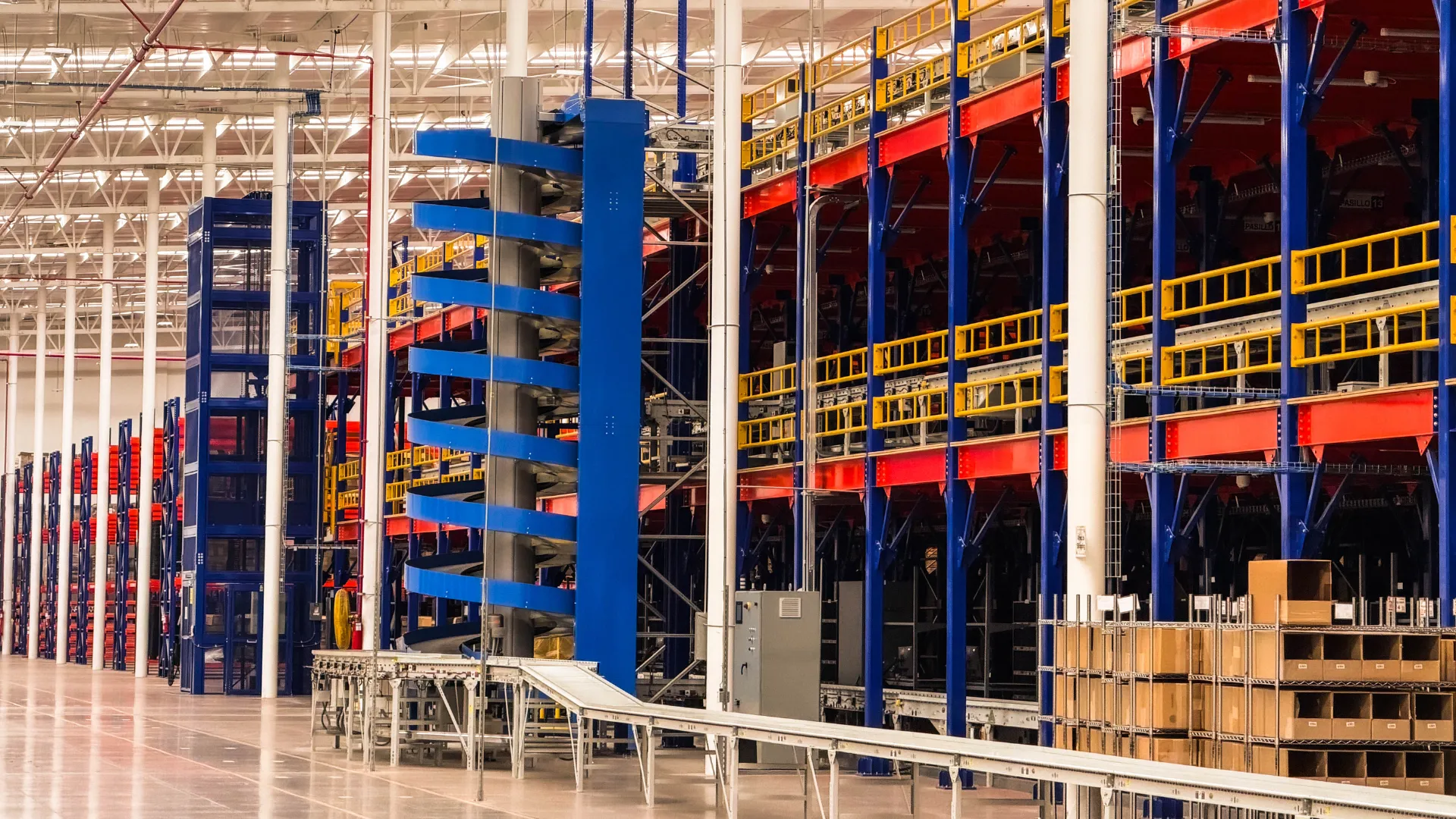
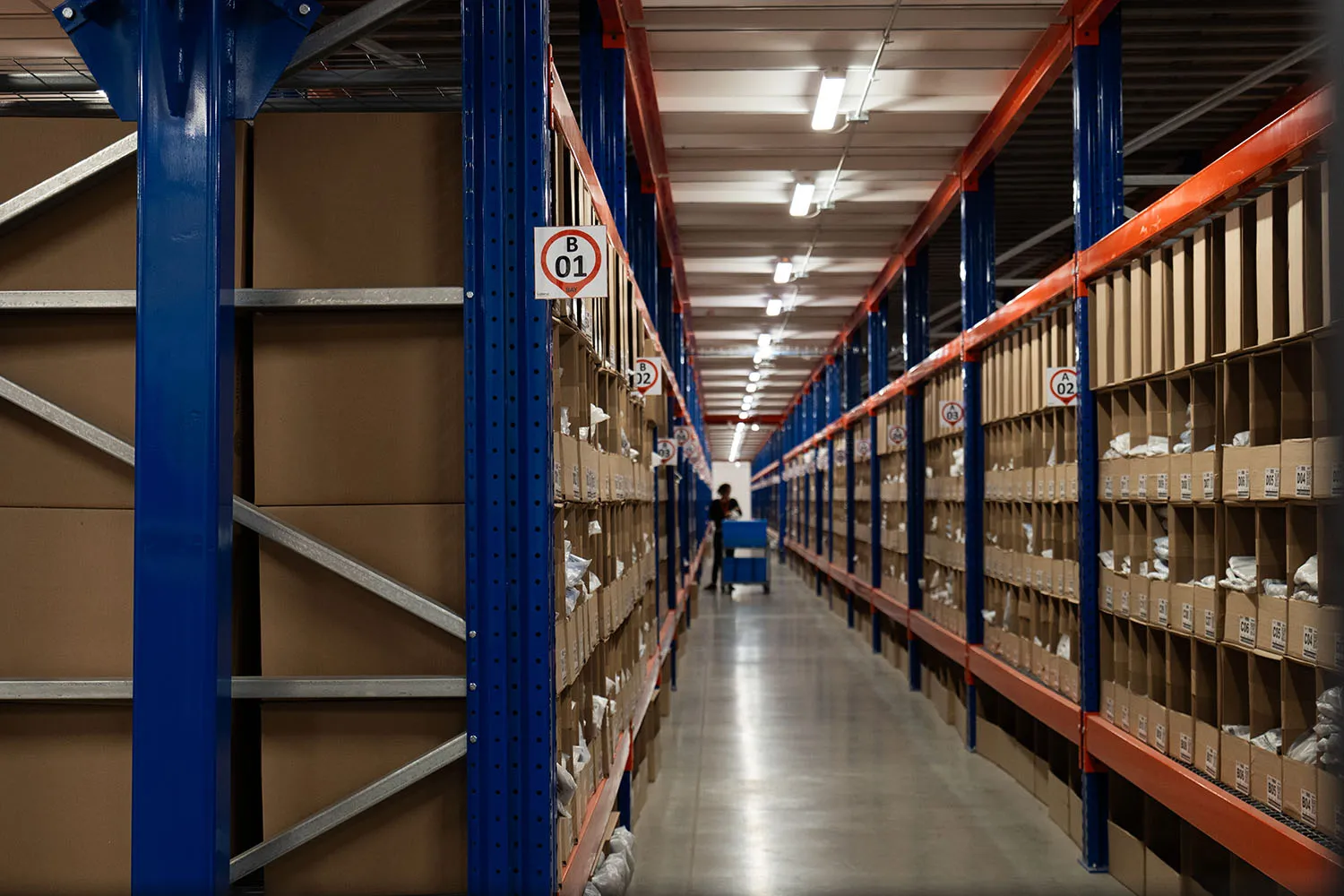
Warehousing is another critical element. It provides storage solutions tailored to a company’s needs. This ensures that inventory is managed efficiently and securely.
Key components include:
- Transportation management
- Warehouse operations
- Inventory control
- Technology integration
Technology integration is essential for managing logistics operations. It offers real-time tracking and data analytics to optimize performance. This reduces errors and enhances the decision-making process.
Inventory control is crucial in maintaining optimal stock levels. Contract logistics providers use sophisticated systems to monitor and manage inventory. They aim to prevent stockouts and overstock situations.
Together, these components form a cohesive logistics solution. Businesses can enhance their supply chain efficiency and reliability. With contract logistics, they gain the ability to adapt to market changes swiftly.
The Role of Contract Logistics in Supply Chain Management
Contract logistics plays an integral role in modern supply chains. It offers specialized services that enhance efficiency and reduce complexities. By outsourcing logistics functions, businesses can focus on core activities.
In supply chain management, contract logistics ensures a seamless flow of goods. It coordinates various activities, from production to delivery. This helps maintain a balanced and efficient supply chain.
Key roles include:
- Streamlining logistics operations
- Enhancing supply chain transparency
- Reducing operational costs
Enhanced transparency is a major advantage of contract logistics. Real-time visibility of goods allows for better planning. It also improves responsiveness to market demands and disruptions.
Cost reduction is another significant benefit. By outsourcing logistics, companies save on investment in infrastructure and technology. Providers offer scalable solutions, allowing businesses to adapt quickly to changes.
Contract logistics providers bring expertise to the table. They understand supply chain dynamics and challenges. This expertise ensures better risk management and streamlined operations.
The strategic partnership between firms and logistics providers fosters long-term success. It paves the way for innovation and supply chain improvement.
Inventory Management in Contract Logistics
Inventory management is a critical aspect of contract logistics. It ensures optimal stock levels, minimizing costs and wastage. Effective inventory management is vital for smooth supply chain operations.
Contract logistics providers use advanced systems for inventory control. These systems allow for precise tracking and monitoring. This leads to reduced errors and better stock accuracy.
Key benefits of inventory management include:
- Improved stock visibility
- Reduced holding costs
- Minimized stockouts and overstocks
Effective inventory practices help businesses maintain the right balance. They ensure timely replenishment and avoid overstocking. This balance is crucial for meeting customer demands without excess inventory.
Technology plays a significant role in inventory management. Tools like real-time tracking and data analytics are common. They enhance decision-making and optimize inventory processes.
By leveraging contract logistics, companies can focus on strategic goals. With expert inventory management, businesses improve efficiency and service. Consequently, they achieve higher customer satisfaction and stronger market presence.
Benefits of Contract Logistics for Businesses
Contract logistics offers numerous benefits that can transform business operations. By outsourcing logistics, companies can focus on core business objectives. It enhances efficiency and reduces operational burdens.
One major advantage is cost savings. Contract logistics providers use optimized transportation and warehousing strategies. This leads to reduced logistics costs and improved margins.
Businesses also gain access to expert knowledge and advanced technology. Contract logistics professionals are skilled in delivering efficient logistics solutions. They use state-of-the-art tools for better logistics execution.
Los beneficios clave incluyen:
- Increased operational efficiency
- Enhanced supply chain visibility
- Flexible scaling of operations
Another benefit is the ability to quickly adapt to changing demands. Contract logistics offers the flexibility needed to handle seasonal fluctuations. This ensures businesses remain competitive and responsive.
Finally, contract logistics can improve overall customer satisfaction. By ensuring timely deliveries and high service levels, companies enhance their reputation. Quality logistics service translates to better customer relationships and loyalty.
In conclusion, businesses leveraging contract logistics experience growth, efficiency, and strategic focus. These factors contribute to stronger competitive positioning and long-term success.

by Barrett Ward (https://unsplash.com/@barrettward)
How Contract Logistics Providers Operate
Contract logistics providers operate by taking over specific logistics functions. They deliver services tailored to the unique needs of each client. This customized approach ensures that businesses achieve their logistics goals efficiently.
Providers start by understanding the client’s operational requirements. They analyze existing supply chain processes and identify areas for improvement. This analysis is crucial for crafting effective, tailored logistics solutions.
Logistics providers use advanced technology to manage operations. They employ real-time tracking systems for monitoring shipments and inventory. This technology helps in maintaining transparency and improving decision-making in logistics.
Key operational activities include:
- Transportation management
- Warehousing and storage
- Order fulfillment and distribution
Contract logistics providers also focus on continuous improvement. They regularly evaluate performance and implement enhancements in service quality. Feedback and performance reviews are integral for achieving long-term success.
In essence, these providers play a strategic role in optimizing logistics functions. Their expertise and resources enable businesses to meet market demands efficiently and sustainably.
Choosing the Right Contract Logistics Partner
Selecting the right contract logistics partner is essential for success. The partner should align with your business goals and values. Compatibility ensures smooth and efficient collaboration.
Begin by evaluating the logistics provider’s expertise and track record. Consider their experience in your specific industry sector. A seasoned provider can offer insights and solutions tailored to your needs.
Another vital factor is the provider’s technological capability. Advanced systems and software enhance service reliability and transparency. Ensure they offer real-time tracking and analytics for performance monitoring.
When selecting a partner, ask these questions:
- Do they have experience in similar industries?
- What technology do they use for logistics management?
- How do they handle communication and feedback?
Lastly, consider their ability to scale operations as your business grows. A flexible partner can adapt to evolving market conditions. This adaptability will support your long-term strategic objectives.
Trends and Innovations in Contract Logistics
The contract logistics sector is continually evolving. Innovations are driving efficiency and enhancing service quality. These advancements shape how logistics providers deliver value to businesses.
One significant trend is the adoption of automation and robotics. These technologies streamline operations, reducing labor costs and increasing accuracy. Automated systems also accelerate warehouse processes, enhancing productivity.
Another key innovation is the use of data analytics. Analytics offers insights into supply chain performance. By leveraging data, logistics providers can make informed decisions and optimize resource allocation.
Consider some recent trends influencing contract logistics:
- Automation and robotics in warehouses
- Data-driven decision-making with analytics
- Implementation of sustainable practices
Moreover, sustainability is gaining attention in contract logistics. Providers are exploring eco-friendly practices to minimize carbon footprints. Green logistics options include optimizing routes and using fuel-efficient vehicles.
In summary, staying ahead in the logistics industry requires embracing these trends. Providers who harness these innovations can offer superior services and maintain competitiveness in a dynamic market.
Conclusion: The Future of Contract Logistics
The future of contract logistics looks promising, with continued growth and innovation on the horizon. As businesses face new challenges, logistics providers offer solutions that enhance flexibility and efficiency.
Technological advancements will play a crucial role in shaping this future. Embracing automation, data analytics, and sustainable practices can keep businesses competitive. By aligning with forward-thinking logistics partners, companies can ensure operational excellence and meet evolving customer demands effectively.
Want to learn more? Book your free consultation call https://info.lateralfulfillment.com/meetings/jorge-perez9