Introduction
Cross-border fulfillment has become the default conversation in ecommerce operations rooms across SoCal. But for most brand operators, the term still feels abstract — and the operational reality of cross border logistics from Mexico into U.S. customers remains unclear.
This article breaks down exactly what cross-border fulfillment looks like in 2026: how it works, what changes in your operation, what stays the same, and what the first 90 days actually involve.
If you’re evaluating a move from a U.S.-based 3PL to a nearshore model, this is the operational picture nobody publishes.
What Cross-Border Fulfillment Actually Means
Cross-border fulfillment is the practice of storing inventory in a Mexico-based facility and fulfilling orders directly to U.S. end customers. Every shipment crosses the U.S.–Mexico border managed by a licensed customs broker as part of the standard fulfillment cycle.
The model has three structural components:
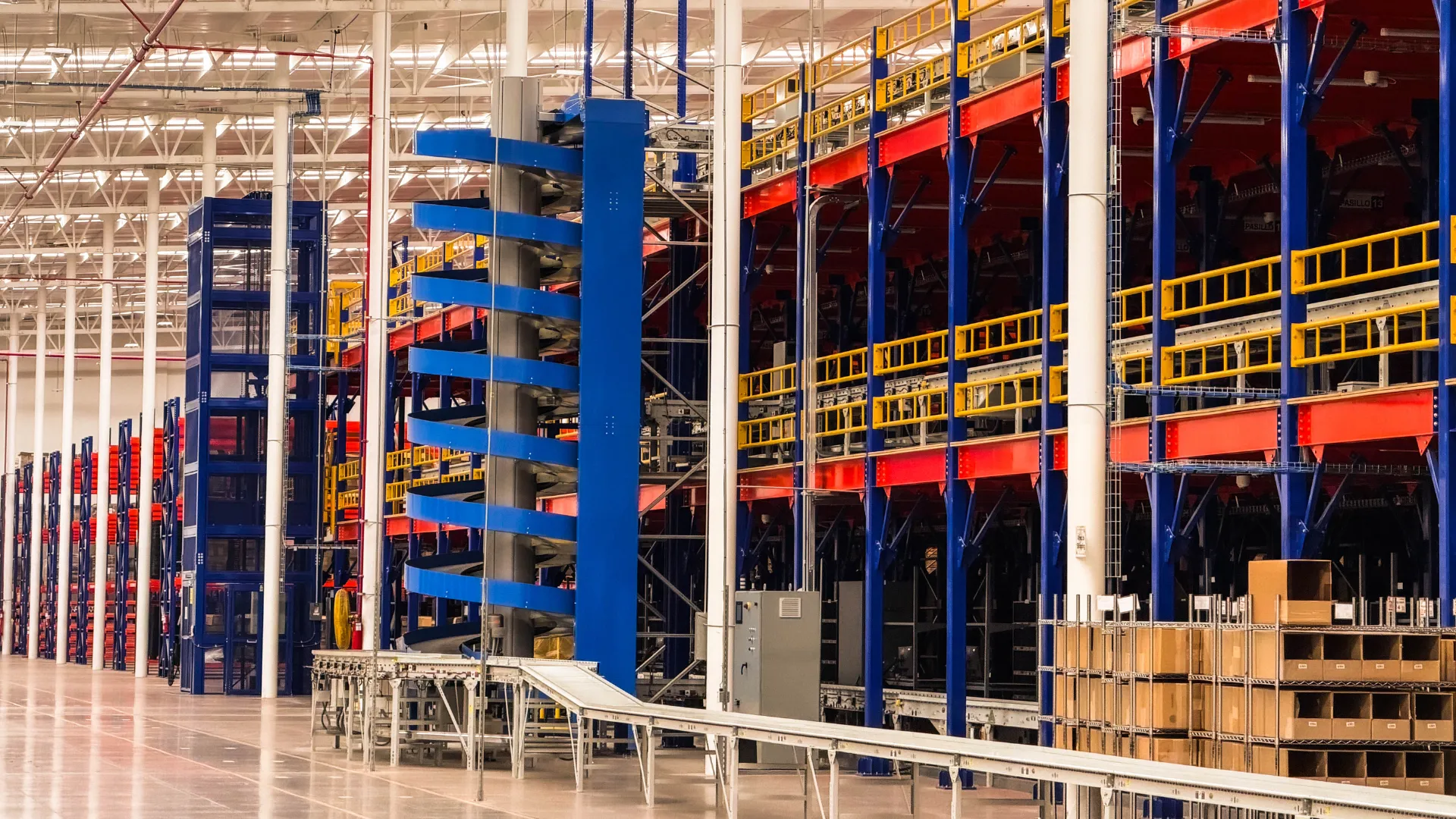
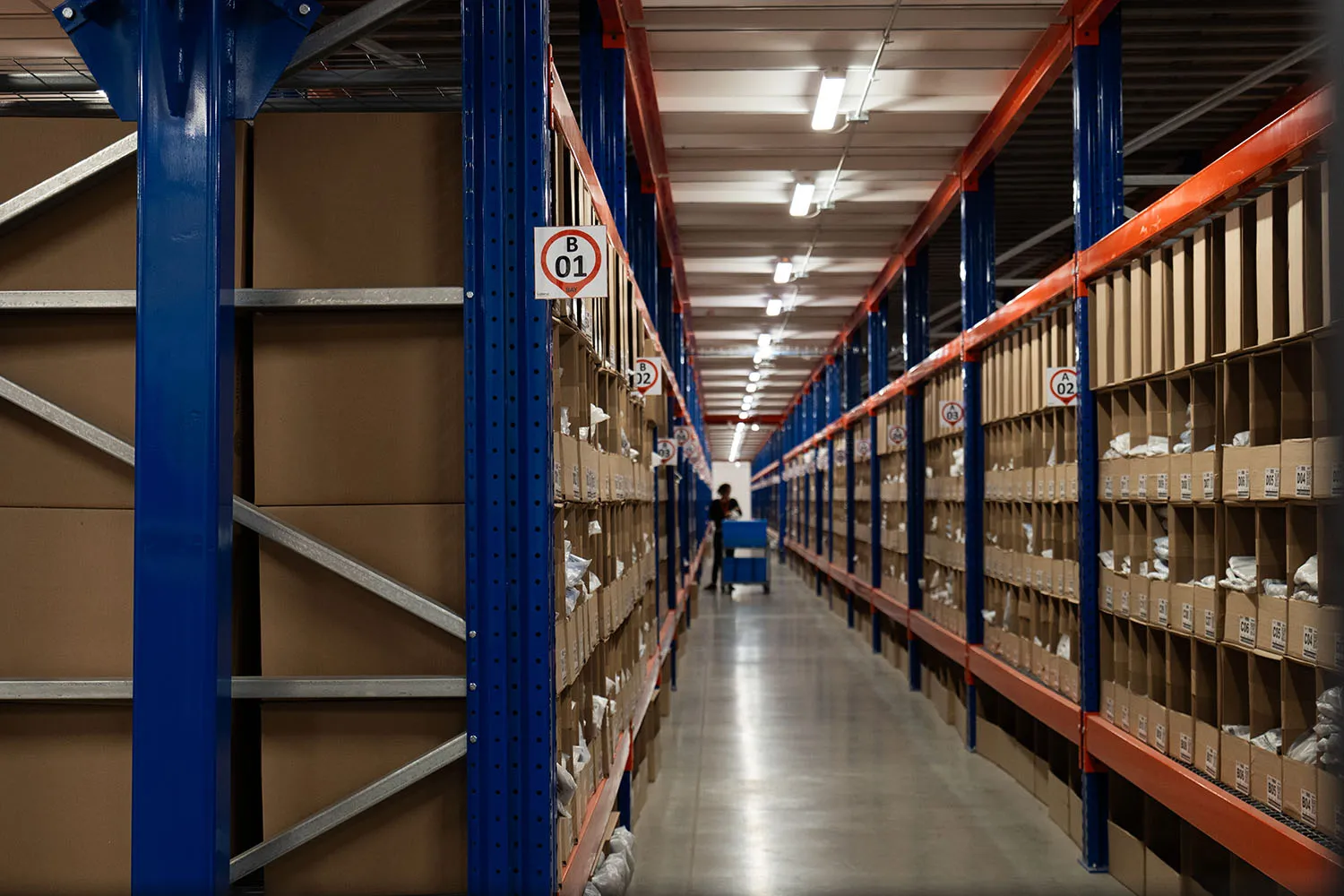
Inventory positioning: Your goods are stored in a facility in Mexico — typically Tijuana.
Cross-border movement: Each batch of orders is exported from Mexico into the U.S. domestic carrier network daily.
U.S. last-mile: Once cleared, orders enter the U.S. carrier network — UPS, FedEx, USPS, regional carriers — from a U.S. injection point.
Cross-border fulfillment is not an arbitrage on trade policy. It’s a permanent reorganization of your fulfillment cost base built around proximity to the U.S. market.
Why Cross-Border Fulfillment Became the 2026 Default
Three forces converged to make this fulfillment model viable at scale:
Mexican manufacturing infrastructure matured. According to INEGI data, there are over 6,500 active IMMEX-certified establishments in Mexico as of December 2025, employing more than 3.15 million workers. The labor pool, regulatory framework, and physical infrastructure for cross border logistics have been refined over decades.
U.S. fulfillment costs kept rising. California warehouse rates, labor compliance costs, and 3PL contracts with built-in price escalation made U.S. fulfillment progressively less competitive — particularly for SoCal and West Coast brands watching their shipping costs grow every quarter.
Customs technology improved. Real-time data exchange between Mexican customs (ANAM) and U.S. CBP, combined with mature broker infrastructure at major crossings like Otay Mesa, made same-day border clearance routine for compliant operators.
Together, these forces turned cross border ecommerce fulfillment from a workaround into a structural advantage for brands shipping high volumes to U.S. customers.
What Changes. What Doesn’t.
What changes:
- Where your inventory sits
- Who handles your customs documentation
- The cost line items on your monthly invoice — specifically shipping costs, storage, and labor-dependent services
What doesn’t change:
- Your ecommerce platform — Shopify, Amazon, NetSuite
- Your customer experience — the U.S. domestic tracking label is identical to what they’d receive from a California 3PL
- Your delivery SLAs — 1–3 day reach to U.S. customers from Tijuana
- Your carrier relationships — UPS, FedEx, USPS, regional carriers all participate
- Your returns process — reverse logistics handled at the same facility
The transition is operational, not customer-facing.
The First 90 Days: What to Expect
The transition to cross-border fulfillment is designed to run without disrupting your current operation.
Days 1–30: Your new 3PL maps your SKU profile, order volumes, and integration requirements. Your ecommerce platform connects to the WMS. Test orders run end-to-end — including the actual border crossing — before any live inventory moves.
Days 30–60: Your first inventory shipment arrives at the Mexico facility under IMMEX bonded protocol. You operate in parallel: orders split between your existing U.S. 3PL and the new nearshore operation while SLAs are validated against real orders.
Days 60–90: Once SLAs are confirmed, you cut over completely. By day 90, your fulfillment strategy is running from Tijuana — with shipping costs, inventory management, and customs compliance under one roof.
From contract to first shipment: 30–45 days.
The Customs Question Every Brand Asks
Under the IMMEX program, your inventory enters Mexico under bonded status — duties suspended while goods sit in the facility. When orders are prepared for shipment, your customs broker files the export documentation with ANAM and the import entry with U.S. CBP.
If your 3PL handles customs in-house — like Lateral does — this happens as part of the daily fulfillment cycle. The same team that picks and packs your orders coordinates with the licensed customs broker on documentation, classification, and entry filing.
For brands operating in cross border ecommerce, IMMEX certification is the legal backbone that makes the model work. According to Mexicom Logistics’ analysis of the 2026 Mexican Customs Law Reform, customs brokers now bear shared liability with importers for compliance failures — which means broker quality matters more than ever, and working with a 3PL that owns the customs function in-house simplifies accountability considerably.
What Cross-Border Fulfillment Doesn’t Solve
It doesn’t solve broken product economics. The cost reduction is meaningful but not infinite. If unit margins are already under pressure, this is a relief — not a cure.
Who This Works For in 2026
Brands that benefit most from cross-border fulfillment share these characteristics:
- Selling to U.S. customers — with optional Mexican market presence
- Operating in product categories outside IMMEX Annex I restrictions
- Currently in California, Texas, or New Jersey 3PL contracts with annual price escalation
- Looking to protect gross margin without changing pricing or customer experience
For brands that fit this profile, the 90-day transition is a one-time investment. The cost structure that emerges on the other side is permanent.
FAQ
How long does cross-border fulfillment onboarding take? 30–45 days from contract to first shipment. Full operational steady state by day 90 after a parallel-run period with your existing 3PL.
Will my customer know the package came from Mexico? No. Final-mile delivery goes through U.S. carriers. The tracking label is U.S. domestic. The customer experience is identical to a California 3PL.
What is IMMEX and why does it matter? IMMEX allows certified facilities to import goods duty-free as long as they’re intended for export. Your inventory pays no duties while it sits in the warehouse — duties apply only at export to your customer.
How has the 2026 Customs Law reform affected this model? Compliance requirements tightened and broker accountability increased. For brands with 3PLs that own customs in-house, the practical impact is minimal. For brands whose 3PLs outsource customs, compliance risk has increased meaningfully.
Are tariffs going to break this model? Tariffs affect the cost of goods, not the cost of fulfillment operations. The structural advantages — lower warehouse rates, lower labor, IMMEX duty deferral — remain intact. Specific categories like textiles need case-by-case evaluation.
Get Your Free Cost Analysis → lateralfulfillment.com/contact