Tijuana vs San Diego Fulfillment: The 2026 Cost Reality
When analyzing Tijuana vs San Diego fulfillment strategies in 2026, the contrast in operating environments is undeniable. For many years, San Diego has been a key logistics hub, but the landscape for Direct-to-Consumer (DTC) brands has fundamentally shifted.
California warehouse labor rates continue to rise, and industrial real estate vacancy remains at historic lows. Together, these pressures are making Southern California operations increasingly challenging for brands focused on protecting contribution margins.
Meanwhile, just 20 miles south, Tijuana has matured into a sophisticated extension of the North American supply chain. No longer just a manufacturing hub, it has become a high-efficiency fulfillment center supporting brands that want to scale without proportionally increasing costs.
For COOs and Supply Chain Directors, the decision is no longer about “offshoring.” The topic now centers on Nearshore Operational Strategy. Below is a data-driven breakdown of the costs.
The Gap in Tijuana vs San Diego Fulfillment
Operating a fulfillment center in San Diego County offers one clear advantage: domestic proximity. However, in 2026, that proximity comes at a premium that many scaling brands are increasingly forced to evaluate more critically. The challenge here is less about logistics and more about the financial trade-offs.
1. The Labor Ceiling
California continues to face one of the tightest labor markets in logistics. In 2026, attracting and retaining reliable warehouse associates requires wage levels that push pick-and-pack costs higher.
- The cost of turnover: Hiring, training, and replacing staff in Southern California creates a hidden cost on every order shipped.
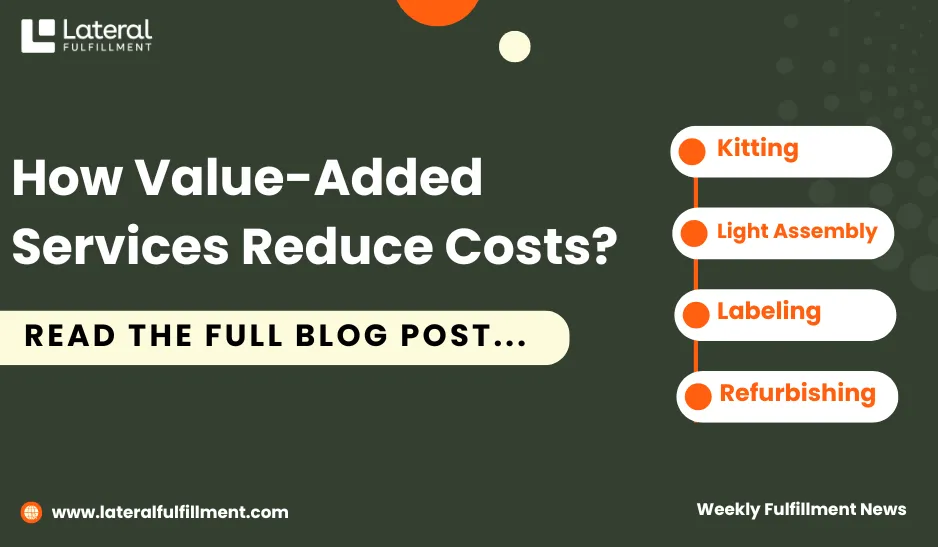
- The efficiency cap: As labor becomes more expensive, brands often limit value-added services such as custom kitting or complex unboxing, as the labor hours required can erode margins.
2. Real Estate Saturation
San Diego’s industrial corridors, including Otay Mesa and Miramar, remain highly saturated. Persistent demand has driven price-per-square-foot to levels that force many 3PLs to operate at maximum capacity.
- The impact: Higher storage fees and reduced flexibility during peak seasons, often requiring long-term lease commitments to secure additional space.
Why Tijuana vs San Diego Fulfillment Favors Nearshoring
Moving inventory just 20 minutes south across the border can materially change the P&L structure. In a market where carrier rates and duties are largely fixed, operational expense (OpEx) becomes the primary lever brands can control—and Tijuana allows that lever to be pulled more effectively.
1. Operational Leverage Through Workforce Stability
The core advantage of Tijuana in 2026 is access to a skilled, stable workforce at a significantly lower cost than Southern California. This isn’t about cheap labor; it’s about scalable capability.
- High-touch fulfillment: Lower labor costs allow brands to invest in premium customer experiences—steaming garments, hand-assembled subscription boxes, or custom packaging—without sacrificing margins.
2. Reverse Logistics as a Recovery Engine
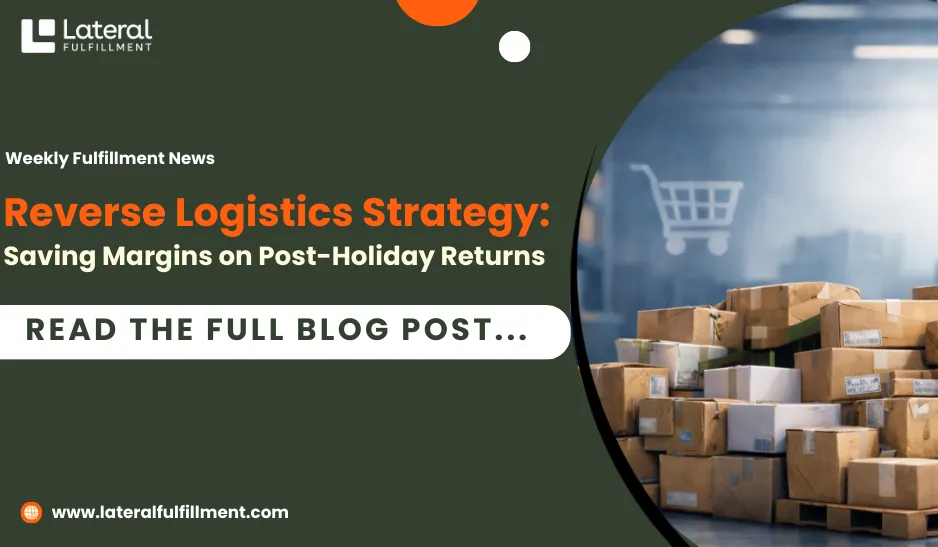
Returns remain one of the most significant margin drains in ecommerce. In many U.S. warehouses, the cost to inspect, restock, or repackage returned goods exceeds the product’s value, leading to liquidation or waste.
- The nearshore fix: Tijuana transforms reverse logistics into an asset-recovery function. Lower labor costs make it viable to inspect, refurbish, and repackage returns, enabling brands to restock Grade-A inventory that might otherwise be written off.
Speed and Connectivity: Making the Border Invisible
A common hesitation around nearshore fulfillment is delivery speed. In 2026, this concern is largely outdated due to modern nearshore fulfillment models that rely on direct injection.
- Pick & pack: Orders are processed in Tijuana.
- Crossing: Trucks cross daily through expedited commercial lanes.
- Injection: Parcels are inducted directly into USPS, UPS, or FedEx hubs in San Diego the same day.
From a customer and carrier tracking perspective, shipments originate in San Diego ZIP codes such as 92154, resulting in identical transit times to destinations like New York, Texas, or Chicago. The difference lies entirely in the cost structure required to get the package onto the truck.
2026 Snapshot: Operational Comparison
| Operational Factor | San Diego (USA) | Tijuana (Nearshore) | Strategic Advantage |
|---|---|---|---|
| Labor Cost | High overhead and turnover | Stable and scalable | Tijuana |
| Storage Cost | Premium rates | Competitive rates | Tijuana |
| Kitting & Assembly | Cost-prohibitive | Highly scalable | Tijuana |
| Returns Processing | Often uneconomical | Asset-recovery focused | Tijuana |
Conclusion: Margin Protection Is the New Growth Strategy
In 2026, brands cannot control carrier rates or consumer demand. What they can control is operational efficiency.
Operating in San Diego offers familiarity, but it also ties fulfillment costs directly to California’s labor and housing markets. Nearshore fulfillment in Tijuana provides a way to protect margins while maintaining service levels and customer experience.
The executive decision ultimately comes down to this: Are you paying for a zip code—or investing in a workforce model that enables profitable scale?
For brands rethinking their fulfillment strategy in 2026, the answer may lie just south of the border.