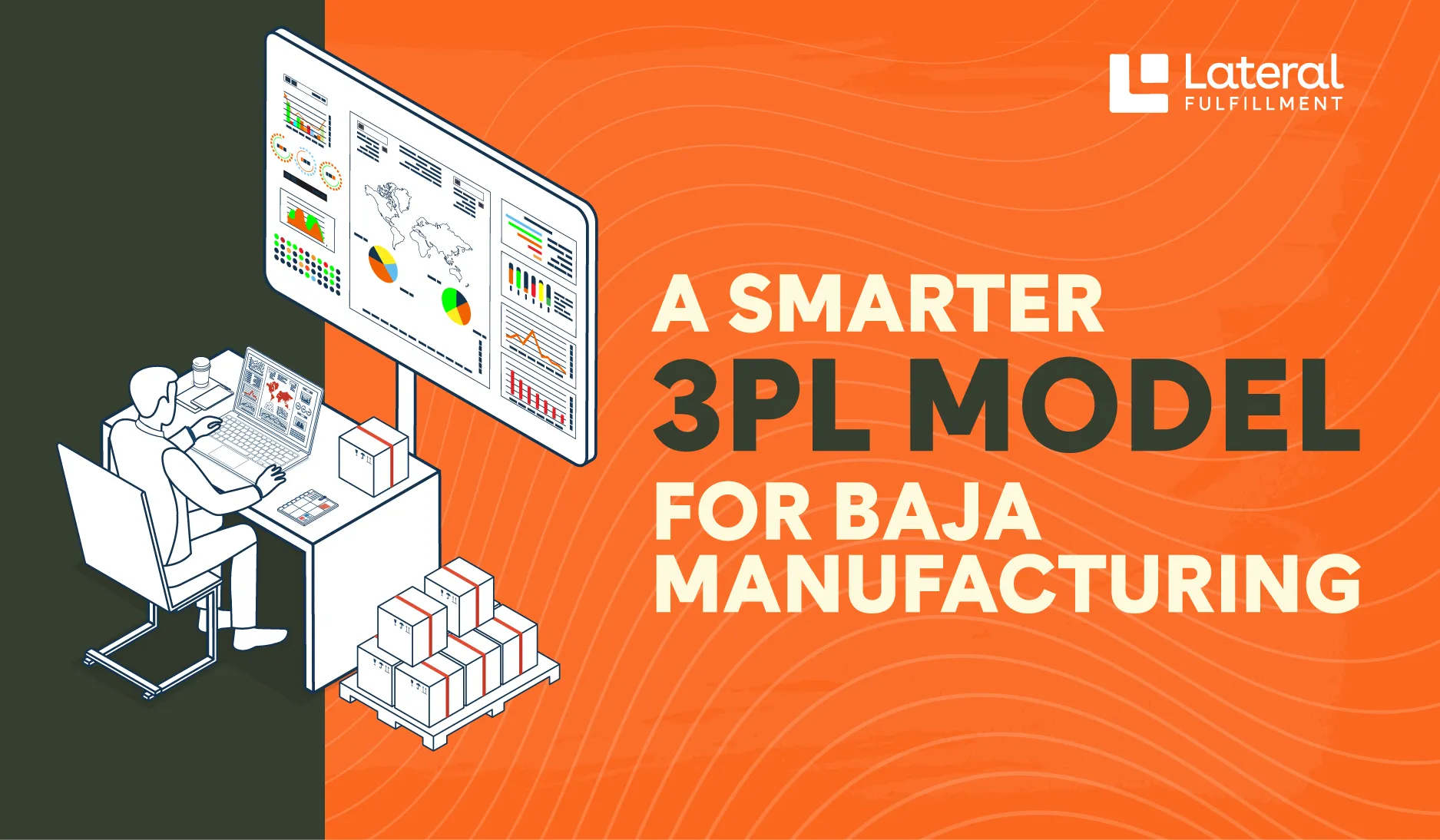
A modern 3PL Tijuana model has become essential for manufacturers operating in Baja California. As production continues to grow near the U.S. border, companies need logistics partners that do more than store inventory. They need speed, control, and flexibility across the full supply chain.
Traditional logistics setups are no longer enough. A smarter model connects manufacturing, warehousing, value-added services, and cross-border flows into one integrated operation.
Why Manufacturing in Baja Needs a Smarter 3PL Model
Baja California has become one of the most important manufacturing regions in North America. Proximity to the U.S., skilled labor, and strong industrial infrastructure make it ideal for production.
But manufacturing efficiency today depends heavily on logistics design.
When manufacturers rely on fragmented providers, common issues appear:
- Delays at the border
- Excess inventory or stockouts
- Limited visibility across operations
- Higher operating and compliance costs
A connected 3PL Tijuana model solves these problems by reducing handoffs and improving coordination.
What Defines a Smarter 3PL in Tijuana
A modern 3PL is not just a warehouse. It’s an extension of your manufacturing operation.
1. Integrated Cross-Border 3PL Solutions
Manufacturers move inventory in multiple directions:
- Raw materials entering Mexico
- Components supporting production
- Finished goods returning to the U.S.
A strong cross-border 3PL model integrates transportation, customs, and warehousing into one flow. This reduces delays and improves predictability.
2. Bonded Warehouse Infrastructure in Mexico
For many manufacturers, inventory timing and cash exposure matter.
Using a bonded warehouse Mexico structure allows companies to:
- Control when duties and taxes are triggered
- Reduce risk on inbound inventory
- Improve planning across production cycles
This model supports stable operations without tying up capital too early.
3. Value-Added Warehousing and Distribution
Manufacturing logistics often requires more than pallet storage.
A smarter value added warehousing and distribution model supports operations with services such as:
- Labeling and compliance packaging
- Kitting and sub-assembly
- Inspection and quality control
- Sorting, rework, or configuration
These value-added services in logistics reduce internal workload and keep production teams focused on manufacturing.
This is where VAS logistics becomes a real advantage, not an extra cost.
4. Visibility Across the Entire Operation
Manufacturing requires control, not guesswork.
A strong fulfillment Mexico setup provides:
- Real-time inventory visibility
- SKU-level tracking
- Clear views of inbound, in-process, and outbound inventory
This visibility improves planning, forecasting, and decision-making.
Why This Model Works for Baja Manufacturing
Baja California sits at the center of nearshoring growth. But geography alone is not enough.
A smarter 3PL Tijuana model enables manufacturers to:
- Reduce border friction
- Improve delivery times to the U.S.
- Lower total operating costs
- Scale without chaos
This is the foundation of cost-effective 3PL for manufacturing operations.
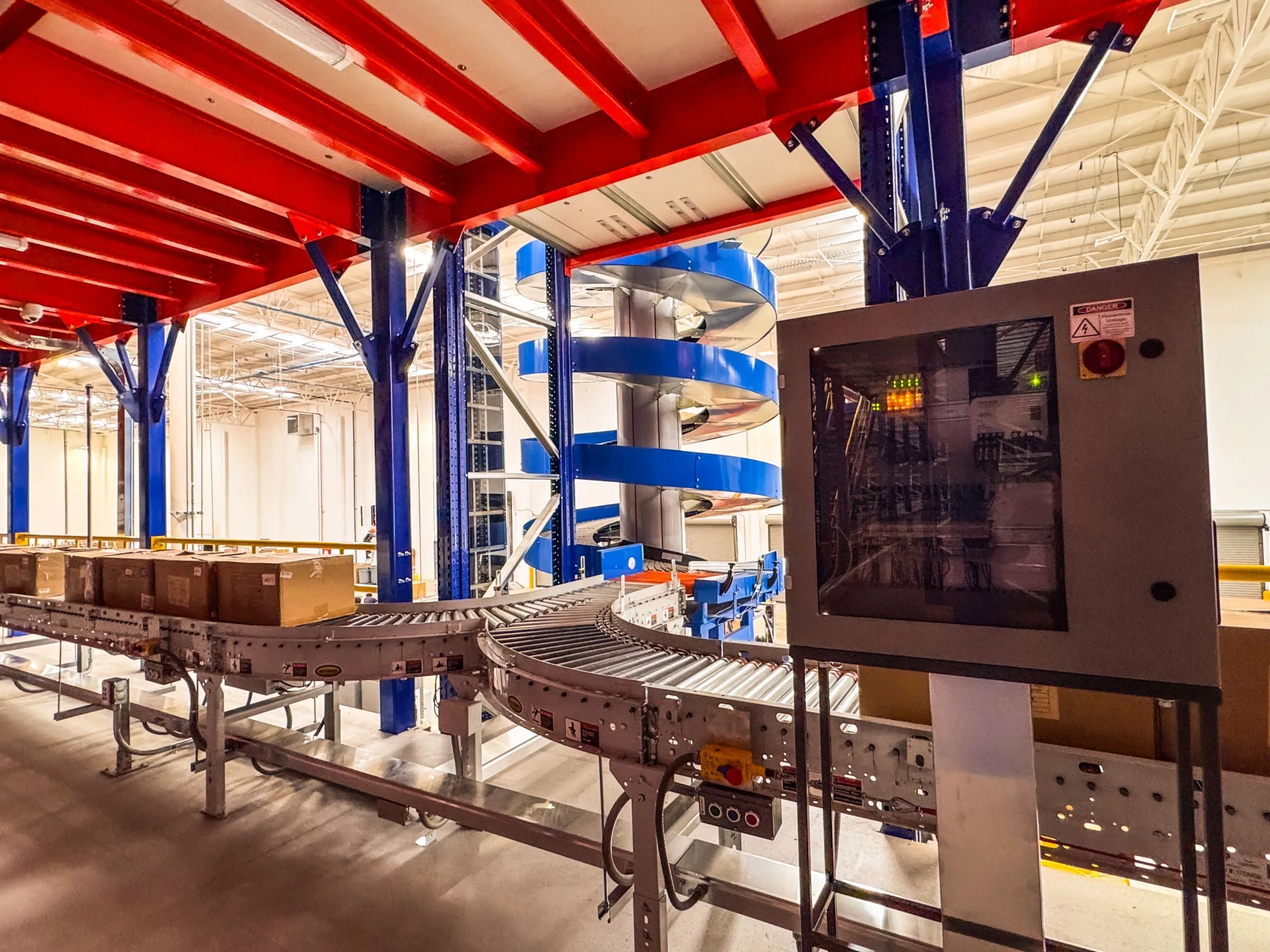
From Cost Center to Competitive Advantage
Logistics should support manufacturing, not slow it down.
When logistics, value-added services, and cross-border flows operate as one system, manufacturers gain:
- Faster execution
- Better control
- Lower risk
- Stronger margins
This is what flexible 3PL solutions look like in practice.
Final Takeaway
A smarter 3PL Tijuana model is not about adding more vendors.
It’s about integration.
By combining cross-border fulfillment, bonded warehouse capabilities, and value-added services, manufacturers in Baja California can operate faster, leaner, and with greater control.
For manufacturers rethinking their logistics strategy, the opportunity is clear: redesign the model, don’t patch it.